I've got big...feelings
A handful of years ago, I was dating this guy. We’d just returned from a nice dinner together and were relaxing on my couch chatting. At one point, he halted the conversation, stating, “You’re not saying ‘probably’ correctly.” A wave of embarrassment swept over me and I could feel my eyes starting to well up. “What do you mean?” I sputtered out. “I’m not saying ‘prolly,’” as I’d heard some people say on occasion. He went on to explain that I dropped a syllable when I said the word, more of a ‘prob’ly’ than a ‘probABly.’ By this point, the tears were rolling down my quickly reddening face and I could feel my heart anxiously beating. I excused myself to the bathroom to collect myself. Once alone, I tried to quiet my sobs. While his critique could have been stated with more kindness, and perhaps it was something he didn’t need to share at all, I knew my reaction was much bigger than the situation warranted. While it would have been normal to feel slightly embarrassed, the quick descent into shame left me a bit caught off guard. And made me curious. Usually, when we have an outsized reaction to something more benign we can assume it’s about a deeper wound. To quote DJ James Kennedy from Vanderpump Rules, “It’s not about the pasta.”
Without getting too much in the weeds, the wound for me was my deeply-ingrained need to be pleasing that often manifested as perfectionism. Brené Brown (2021) writes, “Perfectionism is, at its core, about trying to earn approval and acceptance.” I had always been the easy child, the rule follower, the straight-A student. In a family full of bigger personalities and bigger needs (the squeaky wheel gets the oil, and all), my primary means of feeling seen was through achievement and goodness. When this guy, who I really wanted to like me, spotlighted even the tiniest of my flaws, I dropped right into that little me who was so afraid of not being enough if I messed up. Brown writes that, “Shame is the fear of disconnection—it’s the fear that something we’ve done or failed to do, an ideal that we’ve not lived up to, or a goal that we’ve not accomplished makes us unworthy of connection.” This situation tapped right on a my childhood fear of unworthiness. My reaction was about that, not ‘prob’ly.’
Do you ever notice this in your own reactions? You’re going about your day and something happens that prompts some big feelings. Maybe you failed a test. Or your spouse bought the wrong item at the grocery store. Perhaps you made a joke that didn’t land. Maybe you didn’t get the role you wanted in the play. Or someone cuts in front of you in the coffee line. Or you’re hosting a party and someone breaks a wine glass. All of these warrant an emotional reaction: you might feel disappointed, angry, anxious, rejected, or embarrassed. Identifying how you’re feeling and moving through the emotion is a healthy response. As psychologist Susan David explains, “Our emotions are data. Our emotions contain flashing lights to things we care about.” Being curious about what our emotions are telling us can be essential to operating as an emotionally healthy individual in the world, and developing skills of emotional regulation.
But what if you realize your emotions are on steroids? Instead of annoyance, you feel rage. Instead of disappointment, you feel shame. That is information we want to pay attention to as it probably is pointing to a deeper wound. Talking about “triggers” has become one of those Tik Tok-ified pop psychology terms that is probably overused, but here it is appropriate. The situation provoking a big reaction is triggering something that actually warrants that reaction. Sure, we could follow that feeling and react with big tears or big shouts, but that would be like mowing the top of the weed and leaving the root.
So how do we ensure we’re yanking up the root?
Start by naming the big emotion you’re feeling. If you’re new to this, consider consulting a feelings wheel. Dig deep.
Pay attention to where you are feeling it in your body. Is your heart beating faster? Maybe it’s fear. Is there a pit in your stomach? Perhaps it’s shame. Is your jaw clenched? You might be feeling anger.
Ask yourself if it feels familiar. Is there a specific event from childhood that you recall? Do you feel like a younger version of yourself? If so, notice that.
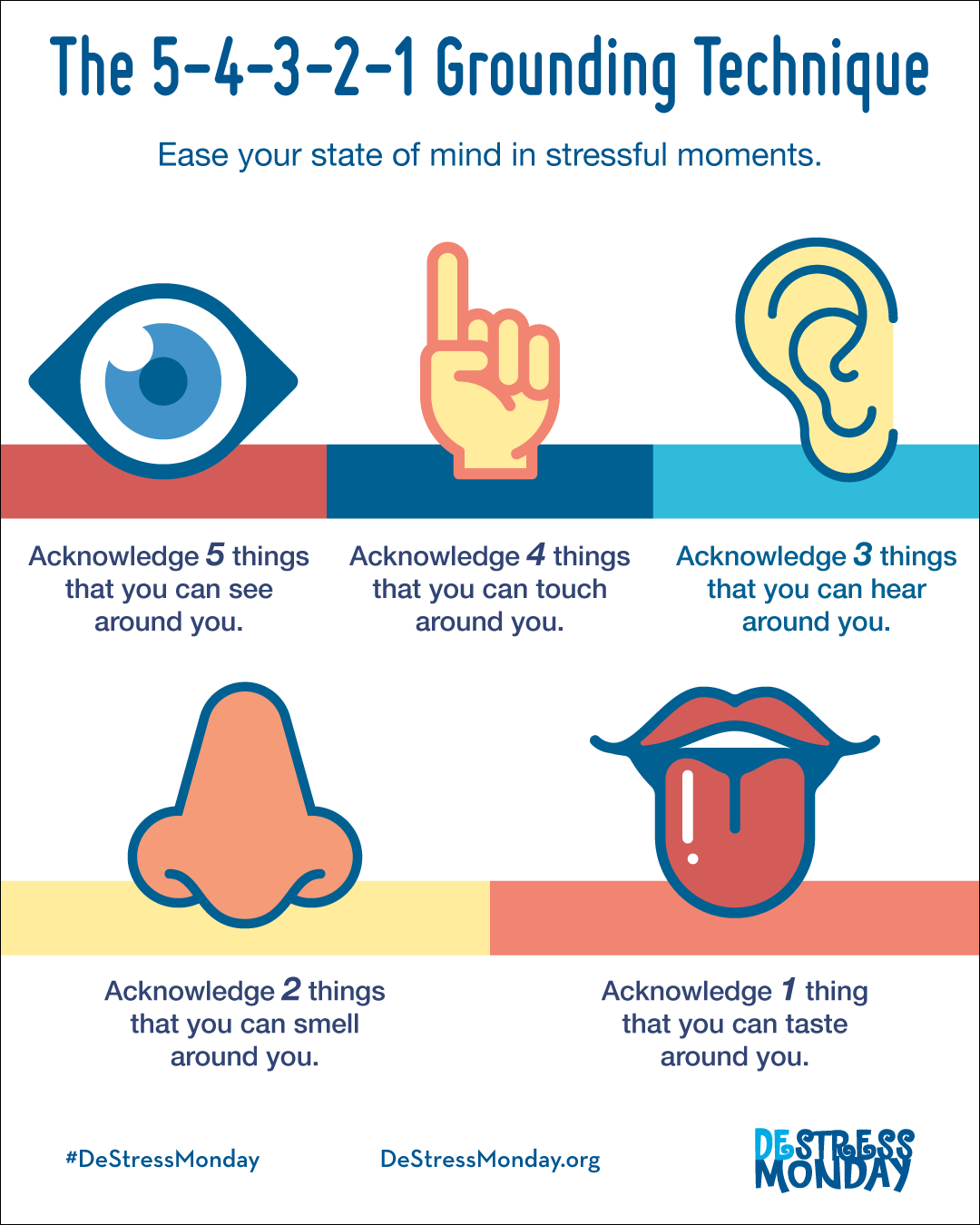
Sometimes, just recognizing that the feelings aren’t about the current situation can be enough to soothe. If not, consider trying some other coping skill like the 5-4-3-2-1 grounding technique, progressive muscle relaxation, or self-havening to bring you back to the present.
When you have time and space, find ways you might process these past wounds. Journal, make art, choreograph a dance, read a book about healing the wound (comment if you need a recommendation), talk it through with a trusted friend or family member.
Consider reaching out to a therapist to help you identify and process these emotional roots. Or share what you experienced with your therapist. Healing the past can soften your present reactions. I especially recommend EMDR therapy to help with this.
Learning to regulate our emotions can feel daunting, but attempting to ignore them or shove them down will not work. Instead of going away, they get stronger—and then they come out in inappropriate moments (hey, prob’ly tears!). As Susan David notes, wanting no difficult emotions is the goal of dead people. She states that,"Tough emotions are a part of our contract with life.” When we are able to learn to identify underlying feelings and process the wounds from the past, the reactions in the present will be more appropriate. And that leads to improvement in our inner life and our relationships.
Things I’m into that you might be into, too:
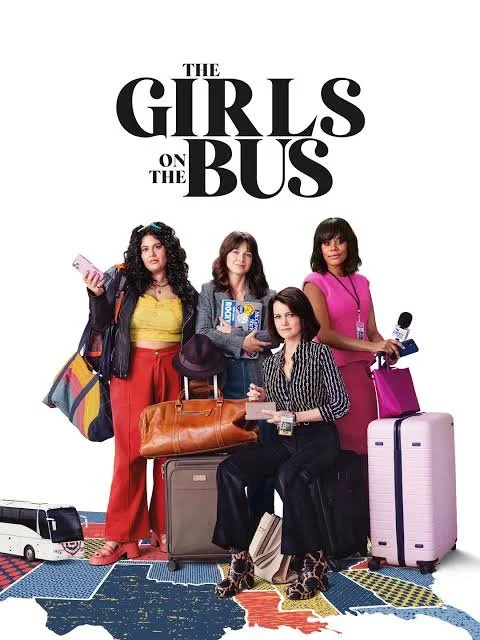
Watch:The Girls on the Bus - This show follows four journalists from a spectrum of backgrounds as they travel together on a primary campaign bus. The characters navigate friendship, politics, love, work-life balance, ethics, and the changing role of media. It is fun, but with depth, and perfectly bingeable.

Listen:The Rise and Fall of a Midwest Princess by Chappell Roan - Obviously, if you haven’t had Taylor Swift’s The Tortured Poet’s Department: The Anthology or Beyonce’s Cowboy Carter on repeat, what are your doing? But in between my incessant listening to those two albums, I’ve been dancing in my car to the synth-heavy beat and soaring vocals of Chappell Roan. It’s pop-y, it’s campy, and with songs like “Feminonomenon,” it’s empowering. I know I’m a little late to the game (your LGBTQ+ friends have been listening to her for a while), but I’m hooked.
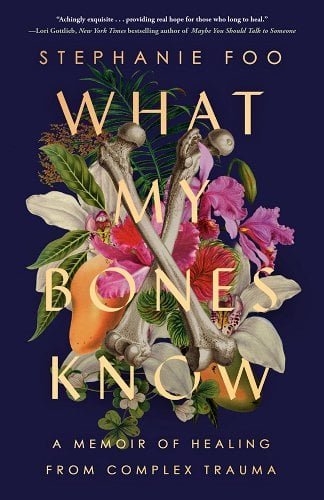
Read: What My Bones Know: A Memoir of Healing from Complex Trauma by Stephanie Foo- Part memoir, part exploration of complex-PTSD, this book does a beautiful job of explaining how complex trauma can impact a person’s functioning in life, work, and relationships. The author compassionately explores the topic, frequently pulling from her own experience. She shares her journey of healing, including her struggles with finding interventions and support that work. It also contains one of the best descriptions of how trauma impacts the body and brain that I’ve read, plus an excellent explanation of EMDR. If you have a history of trauma, or know someone who has, this book will be an incredibly validating and helpful read. Shout out to Mick Silvers for the rec.

Try: nez deodorant- If you, like me, have been on a search for natural deodorant that *actually works* than this is the one to try next. I was a devout Primally Pure user until their charcoal deodorant started giving my underarms a gray tint. Not cute. I spent a lot of dollars trying to find a replacement, and my armpits are glad that I finally did. I like the scent “workout sesh: bright blend” which is light and fresh, but if you want to find your own favorite, they sell multi-packs of minis, which are great for travel once you’ve settled on a full-size scent. They’re $15 each plus shipping, but I just order two at a time to score free shipping. Thanks to Hillary Kerr for the introduction.
Sources:
Brené Brown quotes from Atlas of the Heart (2021)
Susan David quotes from her Ted Talk “The Gift and Power of Emotional Courage” (2018)
Image by <a href="https://www.freepik.com/free-vector/hand-drawn-picasso-style-illustration_30116611.htm#query=abstract%20art%20emotions&position=2&from_view=keyword&track=ais_user&uuid=e226fa1c-7296-41c6-aa04-5cf175a7c1b7">Freepik</a>