Will Anybody Ever Love Me?
I recently started The Artist’s Way (iykyk) and so have been starting each day with a cup of coffee, Morning Pages, and my Spotify set to some moody album as I scribble words across the pages of my journal. The other morning I put on the latest album from Sufjan Stevens and was nearly stopped in my tracks by the song “Will Anybody Ever Love Me?”. The title alone is a gut punch, right? How many of you have ever imploringly shouted that question into the ether or quietly whispered it with tears streaming down your cheeks? I know I have. I still do. The need to be loved is core to the human experience. From the time we are born, we need safety and attachment from our parents or caretakers. What they provide can carry a profound impact on our future love relationships. Those of us who are lucky have loving parents who consistently attend to our physical and emotional needs. Others of us had absent or inconsistent attunement and care. Thankfully, our childhood does not have to dictate the rest of our love lives.
Stevens goes on to state his desire to be loved “For good reasons, without grievance/Not for sport.” Often what is painted as love is quite far from it. Instead of safety, there are games and uncertainty, instead of mutual respect and trust, there is superficial lust or fear. The desire to be seen, understood, and loved for who you are can seem like an impossible target. Often these lackluster love experiences can lead to questions about our value and worthiness. The truth is that we are all deserving of love. Sometimes that message can be muddled by past learnings. It is hard to feel worthy of love when we haven’t been loved the way we needed in the past.
This begs the question, what do we do in those moments of desperation, when the question of whether we will ever be loved looms large? First, we must understand what love is and how to get it. Brené Brown defines love as something that must be cultivated by allowing “our most vulnerable and powerful selves to be deeply seen and known.” Love is not just something that happens - it requires attention, care, and risk. For many, being vulnerable can be incredibly frightening, especially if we have a history of our vulnerable moments not being held with tender care. One of my greatest desires is to be truly known. However, time and time again I have withheld sharing the parts of myself that I think are unlovable, or my needs I fear might cause someone to reject me. Vulnerability isn’t just showing the pretty parts of ourselves, the pieces we have all together and polished. It’s not even sharing our past pain or trauma. It’s allowing even the ugly bits to be exposed. As my therapist used to say, it’s not just telling someone the cards in your hand, but actually turning them around for all to see. True love takes courage. Brown goes on to explain that when we do this, a connection of “trust, respect, kindness, and affection” grows. Gosh, that kind of love sounds good to me.
So why is love so hard to find? Stevens goes on to sing “Hello wildness, please forgive me now / For the heartache and the misery I create / Take my suffering as I take my vow / Wash me now, anoint me with that golden blade.” He seems to recognize his flawed self —his “wildness” and “misery” and longs to be forgiven and washed clean, even if it is painful. Learning to love and “anoint” our own imperfections is an essential part of self-love. As Brown explains, “we can love others only as much as we love ourselves.” Maybe we need to be “washed” and “anointed” from our inability to love ourselves in the past—a baptism that leads to a rebirth of self. What parts of yourself do you need to forgive and wash clean in order to begin to love yourself? What are the messages from your past that others told you that have become ingrained in your (often unconscious) beliefs about yourself? Some things to consider:
Reflect on your childhood experiences. When did you feel loved as a child? When did you feel unloved, hurt, or lonely?
What factors may have contributed to your understanding of love? Consider things like birth order, parent availability due to work/illness/substance abuse/divorce, cultural or religious beliefs about love/gender/emotions, moving, your parents’ relationship, how conflict was handled, etc.
What might be the negative belief you learned about yourself based on these experiences (for example, I’m worthless, It’s my fault, I don’t matter, I am invisible, I am helpless, etc.)?
List any emotions or body sensations that come up as you think about these things. See if you can sit with those feelings until they pass.
What do you think you needed then? Write out/imagine/draw what you would do now to provide the love and care that you needed then.
Finally, know that loneliness is an emotion experienced by everyone and is a normal part of our wiring as humans. The antidote to loneliness is connection. So loneliness is our body’s way of telling us to take action. Call a friend or family member, especially someone you can be vulnerable with. Grab a buddy and get out of the house. Send a text. Or try one of my favorite loneliness remedies—asking someone to join me for a Target or Trader Joes run (grab some of those dark chocolate peanut butter cups while you’re there). Being honest about our loneliness is being vulnerable. And vulnerability leads to love. Let’s begin to cultivate love in ourselves, so we are able to recognize it and nourish it when it crosses our path.
Brené Brown quotes from Atlas of the Heart: Mapping Meaningful Connection and the Language of Human Experience (2021)
Things I’m into that you might be into, too:
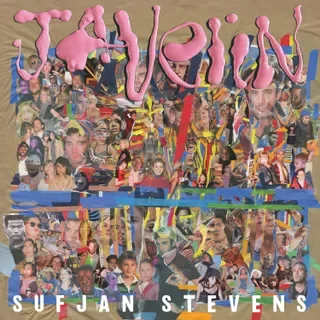
Listen:“Javelin” by Sufjan Stevens - Obviously, I’m a fan of the song this post is about, but the album as a whole is pretty remarkable—musically lush and lyrically rich. Sam Sodomsky from Pitchfork describes the musician as “striv[ing] to lead us somewhere divine, an altitude where our lives might appear more beautiful and still.” Give it a listen.
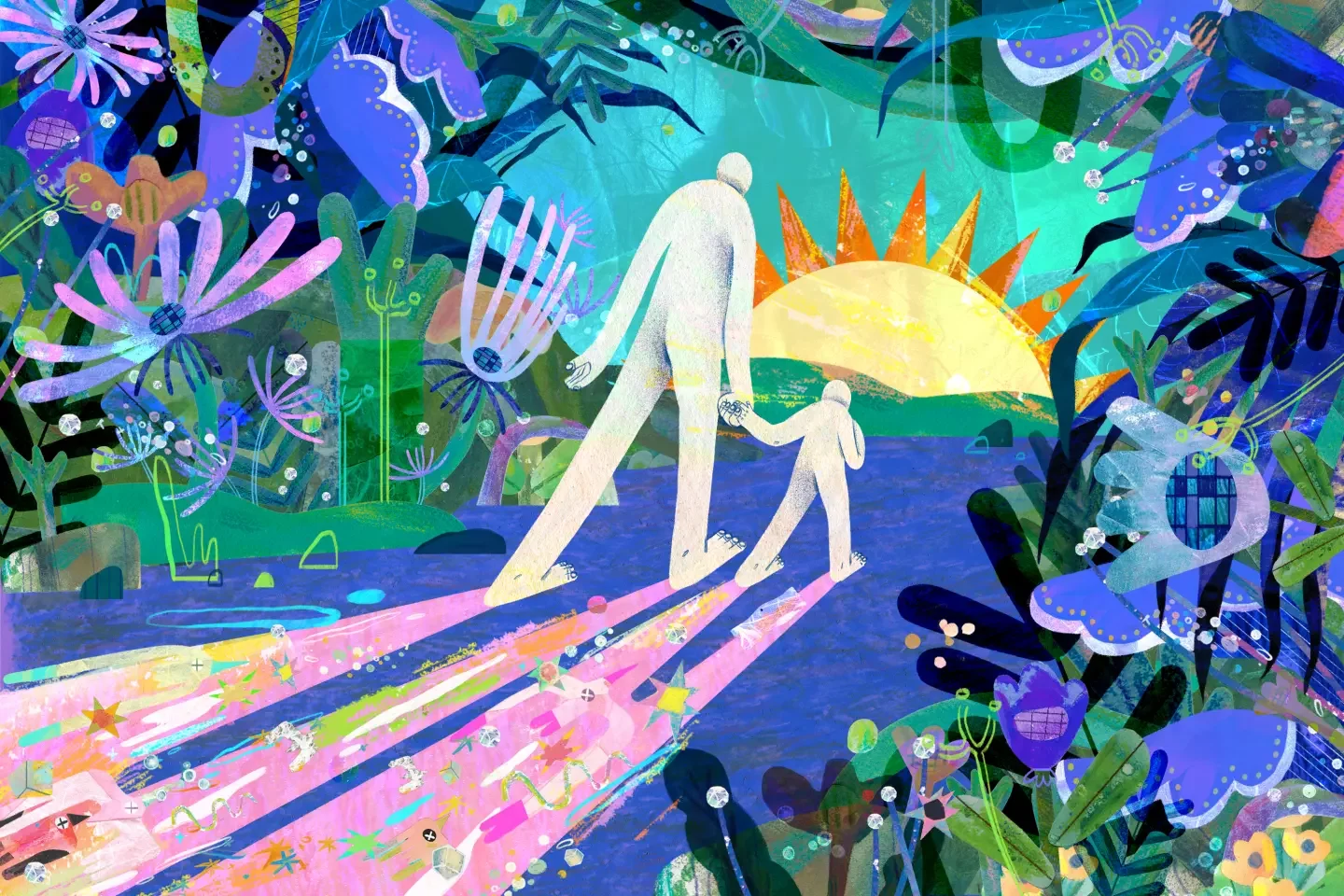
Read:“Feeling drained? Here’s how to rediscover your childlike wonder” by Julia Carmel, Los Angeles Times - A beautiful reflection on finding awe, wonder, and playfulness in life and the positive role they play in our physical and mental health. Plus she writes about the banana split from Fluffy McClouds that I’ve been desperate to try.
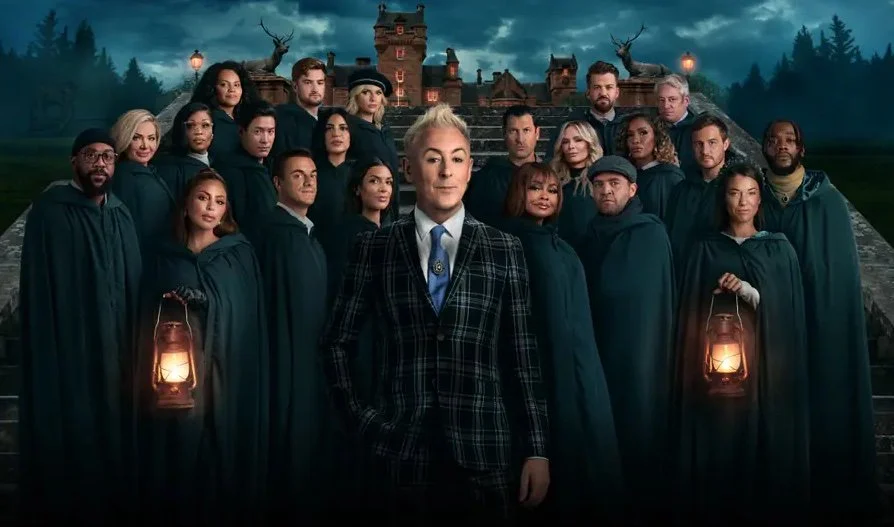
Watch: The Traitors on Peacock - Admittedly, I am a bit of reality show junkie. But this show perfectly incorporates campy fun, edge of your seat intrigue, and strategic game playing, and I am here for it. And let’s just take a moment to recognize the masterpiece that is Alan Cumming (and his wardrobe).
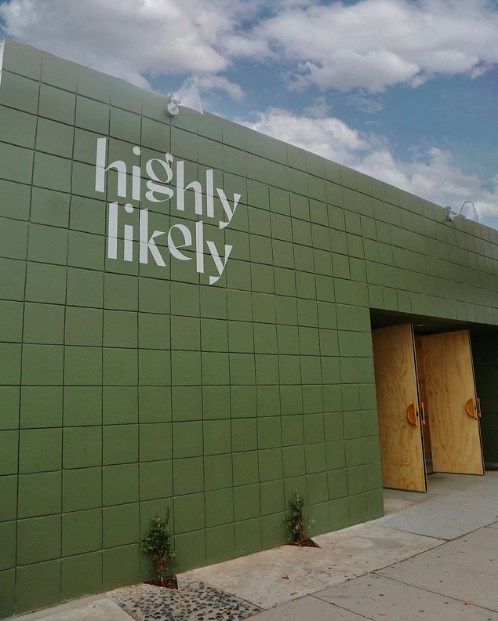
Try: Highly Likely in Highland Park - Thrilled that the second location of this coffee-shop-by-day/vibey-restaurant-by-night spot has landed near me in Highland Park. I had a delightful and delicious dinner on their olive tree and light bedecked back patio. The deviled eggs, salmon, and butterscotch budino were standouts. I’ve also spent hours working at a table on a Sunday morning sipping their very strong and very good coffee alongside my breakfast sandwich—on a quality gluten free roll, no less.